Beginner's Guide to Writing Your First Blog Post
Introduction
Writing your first blog post can be a transformative experience. Not only does it allow you to share your knowledge and insights with a wider audience, but it also serves as a crucial step in building your personal or professional brand. Whether you're aiming to connect with like-minded individuals, establish yourself as an expert in your field, or simply express your thoughts and ideas, the art of blogging opens the door to countless opportunities.
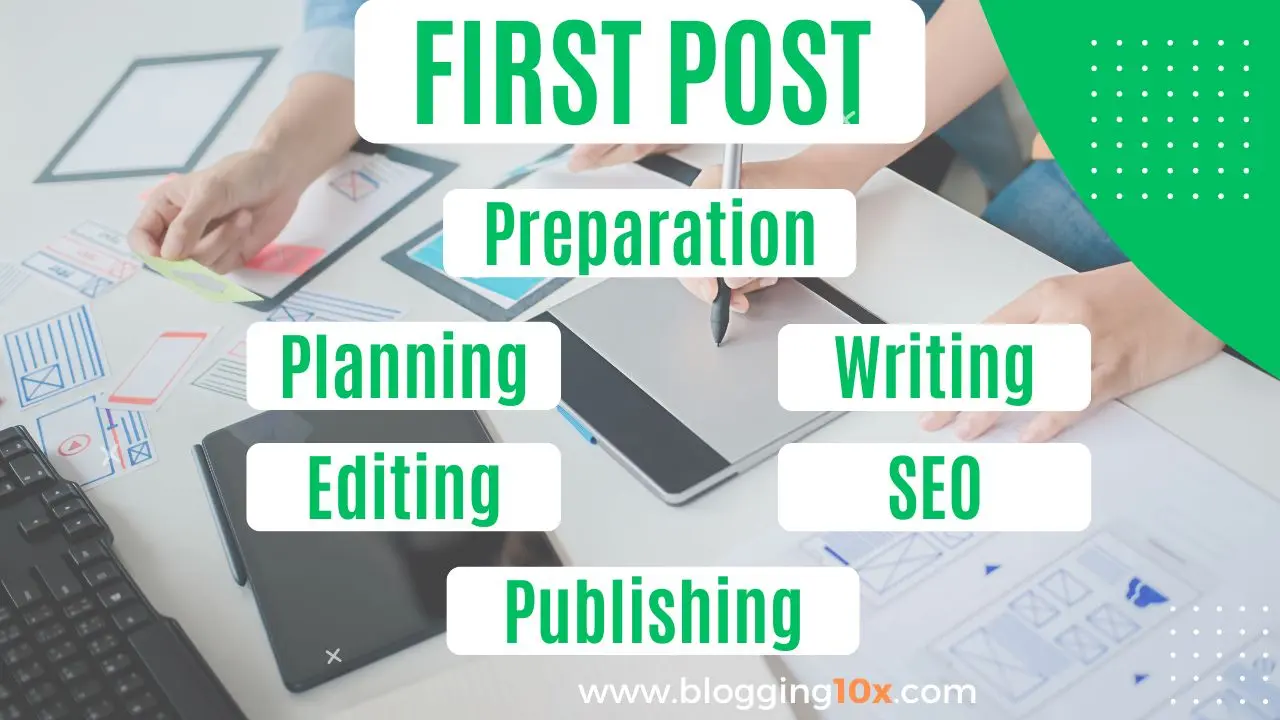
This guide is designed to help beginners navigate the initial challenges of writing a blog post. From choosing a topic that resonates with your audience to finally hitting the "publish" button, we will walk you through every step necessary to create engaging and impactful content.
In the following sections, we'll cover everything from preparation and planning to writing, editing, and promoting your post. Whether your goal is to inform, entertain, or inspire, this guide will provide you with all the tools you need to make your first blog post a success.
Part 1: Preparation
To craft a blog post that resonates with your readers, it's essential to start with a solid foundation. This preparation phase is about understanding who you're writing for, choosing a compelling topic, and gathering the information you need to write authoritatively and engagingly.
Understanding Your Audience
Identifying and understanding your target audience is critical to the success of your blog post. Consider factors such as the age, interests, and challenges of your readers. By understanding who they are, you can tailor your content to speak directly to their needs and interests, making your post more relevant and engaging.
Choosing a Topic
Selecting the right topic is not just about what you want to write, but what your audience wants to read. Look for topics that are both relevant to your audience's interests and your expertise. Use tools like social media trends, community forums, and keyword research to find topics that are currently engaging your target demographic.
Research
Conducting thorough research is key to enhancing the quality of your content. It involves not only collecting facts and data but also understanding different perspectives on the topic.
- Sources: Utilize reliable sources such as academic journals, trusted websites, and expert interviews to gather accurate and up-to-date information.
- Note-taking: Keep your research organized with effective note-taking strategies. Whether you prefer digital tools like Evernote or traditional notebooks, organizing your notes will help streamline the writing process and ensure you have all your references at hand.
Part 2: Planning Your Post
Effective planning is essential for producing a blog post that is not only well-structured but also achieves its intended goals. This section covers the basics of outlining your content, setting clear objectives, and choosing an impactful title.
Creating an Outline
An outline serves as the backbone of your post, providing a roadmap from introduction to conclusion. To create an outline, start with a basic list of your main points, then expand each point with subpoints that detail the information or arguments you plan to present. This approach helps ensure your content flows logically and covers all necessary aspects.
Setting Objectives
Before you begin writing, it's important to define what you want your post to achieve. Are you looking to inform your readers about a new topic, persuade them towards a certain viewpoint, or entertain them with engaging content? Clarifying your objectives will guide your writing style, structure, and content.
Choosing a Title
The title of your blog post is often the first interaction your audience will have with your content. To craft a catchy and SEO-friendly title, focus on incorporating relevant keywords that reflect the core topic. However, ensure the title remains engaging and gives readers a clear idea of what to expect from your post. Tools like keyword planners can help identify effective terms to boost your post's visibility.
Part 3: Writing the Post
Writing the post is where your planning efforts come to life. This section will guide you through crafting a compelling introduction, a well-structured body, and a memorable conclusion to ensure your blog post makes an impact.
Introduction
The introduction is your chance to grab the reader's attention and set the tone for the rest of the post. Start with a hook that could be a provocative question, a surprising fact, or a bold statement. Follow this with a brief overview of what the reader can expect to learn or gain by reading your post.
Body
The body of your post is where you delve into the details. Here are some aspects to consider for creating an effective body:
- Paragraph Structure: Keep your paragraphs short and focused. Each paragraph should introduce a new idea or point, supported by evidence or examples. Ensure there is a logical flow between paragraphs, making it easy for the reader to follow your argument or narrative.
- Using Headings: Break up your content with headings to make it more digestible. Headings help guide the reader through your post and make it easier to scan for specific information.
- Incorporating Visuals: Visuals such as images, videos, and infographics can enhance your message and provide a break from textual content. They add an aesthetic appeal and can help explain complex information more clearly.
Conclusion
The conclusion should wrap up the post by summarizing the main points and reinforcing the central message. Offer a final thought or call to action to leave the reader with something to ponder or do after finishing your post.
Part 4: Editing and Refining
Editing and refining your post are critical steps to ensure your writing is clear, engaging, and error-free. This section provides tips on self-editing, gathering and using feedback, and the final proofreading process.
Self-Editing Tips
Self-editing is your first opportunity to improve your draft. Focus on cutting unnecessary words, tightening your arguments, and ensuring each paragraph serves the post’s objectives. Look for ways to enhance clarity and engagement, and make sure your transitions are smooth between sections.
Feedback
Feedback from peers or mentors can provide invaluable insights. Share your draft with trusted colleagues or friends who represent your target audience. Ask specific questions about clarity, engagement, and persuasiveness. Use their responses to make informed revisions that enhance the quality of your post.
Proofreading
The final step in the editing process is proofreading. Check for spelling, grammar, and punctuation errors. Tools like Grammarly or the Hemingway Editor can help, but don’t rely solely on them. A meticulous manual review is crucial to catch subtle mistakes these tools might miss.
Part 5: Publishing and Promoting Your Post
Once your post is written, edited, and ready to go, the next steps are publishing and promoting it to reach your target audience. This final section covers choosing the right platform, optimizing for search engines, and effectively using social media to boost your post's visibility.
Choosing a Platform
Choosing the right platform is crucial for the success of your blog post. Popular blogging platforms like WordPress and Medium offer different benefits. WordPress provides flexibility and control, making it ideal for those who want a customizable blog. Medium, on the other hand, has a built-in audience and is great for writers who prioritize ease of use and exposure.
SEO Basics
Search Engine Optimization (SEO) is vital for making your post discoverable. Focus on including relevant keywords throughout your post, optimizing your meta descriptions, and ensuring your content is linked within your site and from external sources. These steps will help improve your post's ranking on search engines, attracting more organic traffic.
Social Sharing
Social media can significantly increase the reach of your blog post. Share your content on platforms like Facebook, Twitter, and LinkedIn. Use engaging descriptions and encourage your followers to share your post. Additionally, consider joining relevant groups or forums where your post can reach interested readers.