Essential WordPress Plugins for New Bloggers
Introduction
Starting a blog is an exciting journey filled with endless possibilities. Whether you aim to share your passion, establish a professional presence, or generate income, a successful blog requires more than just compelling content and a visually appealing design. The backbone of a well-functioning blog lies in the tools that enhance its performance, security, and user experience—these tools are known as plugins.
WordPress, the world's most popular blogging platform, offers a vast array of plugins that cater to virtually every need a blogger might have. However, for new bloggers, the sheer number of available plugins can be overwhelming. Which plugins are truly essential? How can you ensure they contribute positively to your blog without slowing it down or creating security vulnerabilities?
In this comprehensive guide, we’ll dive into the must-have WordPress plugins that every new blogger should consider. From optimizing your blog for search engines to securing it against cyber threats, these plugins will equip you with the necessary tools to build a successful, professional, and secure blog.
By the end of this post, you'll not only know which plugins to install but also how to effectively use them to maximize your blog’s potential. Whether you're just starting or looking to improve your existing blog, this guide will provide you with valuable insights and practical tips to enhance your blogging journey. So, let's get started and explore the essential WordPress plugins that will set you up for success!
Table of Contents
Understanding WordPress Plugins
WordPress plugins are powerful tools that extend the functionality of your website, allowing you to add features and capabilities without needing to write a single line of code. These plugins can transform a basic WordPress site into a robust, feature-rich platform tailored to your specific needs, making them essential for both novice and experienced bloggers.
What Are WordPress Plugins?
At their core, WordPress plugins are pieces of software that integrate seamlessly with your WordPress site. They can range from simple tools that add a single feature, like a contact form, to complex solutions that transform your site into an e-commerce store, a social network, or a fully customized content management system. The WordPress Plugin Directory offers thousands of free plugins, while numerous premium plugins are available from third-party developers.
How Do Plugins Enhance Your Blog?
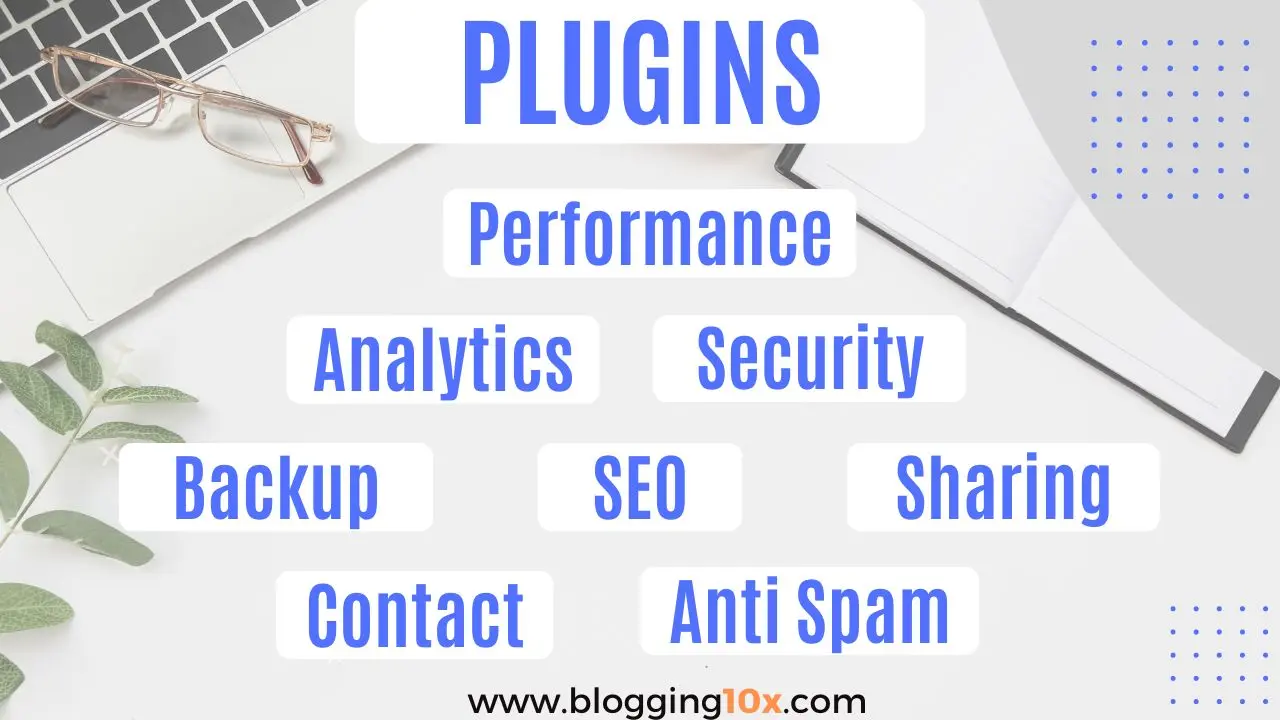
Plugins enhance your blog by adding functionalities that are not included in the core WordPress installation. Here are some ways plugins can elevate your blogging experience:
- SEO Optimization: Plugins like Yoast SEO and All in One SEO Pack help optimize your content for search engines, improving your site's visibility and ranking.
- Security: Security plugins such as Wordfence and Sucuri provide essential protections against hackers, malware, and other online threats, keeping your site safe and secure.
- Performance: Performance optimization plugins like WP Super Cache and W3 Total Cache enhance your site's speed and responsiveness, providing a better user experience and improving your search engine rankings.
- Backup and Recovery: Backup plugins like UpdraftPlus and BackupBuddy ensure that your data is safe, allowing you to restore your site quickly in case of data loss or site crashes.
- Social Sharing: Social media plugins like Social Snap and Sassy Social Share make it easy for visitors to share your content across various social platforms, driving more traffic to your site.
- User Engagement: Plugins for contact forms, email subscriptions, and comments help you engage with your audience, fostering a sense of community and loyalty among your readers.
Choosing the Right Plugins
With thousands of plugins available, choosing the right ones can be daunting. Here are some criteria to consider:
- Relevance: Ensure the plugin meets a specific need for your blog.
- Reviews and Ratings: Check user reviews and ratings to gauge the plugin’s reliability and performance.
- Support and Updates: Opt for plugins that are regularly updated and supported by the developers to ensure compatibility with the latest WordPress version.
- Compatibility: Make sure the plugin is compatible with your WordPress theme and other installed plugins to avoid conflicts.
By understanding what plugins are and how they can enhance your blog, you'll be better equipped to select the tools that will help you achieve your blogging goals. In the next sections, we'll explore the essential plugins every new blogger should consider, starting with those that optimize your site's SEO.
SEO Plugins
Search engine optimization (SEO) is critical for any blog's success. It helps your content rank higher on search engines like Google, making it more visible to potential readers. SEO plugins simplify the process of optimizing your blog posts and pages, ensuring that your content reaches a broader audience. Here are some of the best SEO plugins for new bloggers.
Yoast SEO
Yoast SEO is one of the most popular and comprehensive SEO plugins available. It offers a range of features designed to help you optimize your content effectively.
Features
- On-page SEO analysis with suggestions for improvement
- XML sitemaps to help search engines navigate your site
- Meta description management for better click-through rates
- Readability analysis to ensure your content is easy to read
How to Use Yoast SEO
After installing and activating Yoast SEO, follow these steps:
- Navigate to the Yoast SEO settings in your WordPress dashboard.
- Configure the general settings according to your preferences.
- Use the Yoast SEO meta box on each post or page to optimize content based on the plugin's suggestions.
Pros and Cons
- Pros: Easy to use, comprehensive features, regular updates.
- Cons: Some advanced features require the premium version.
Pricing
Yoast SEO is free with a premium version available that offers additional features.
Alternatives
If Yoast SEO doesn’t meet your needs, consider these alternatives:
- All in One SEO Pack: Another popular plugin with similar features.
- SEOPress: A powerful plugin with both free and premium options.
All in One SEO Pack
The All in One SEO Pack is a robust alternative to Yoast SEO, providing a comprehensive suite of tools to improve your site's SEO.
Features
- Automatic generation of meta tags
- XML and RSS sitemap support
- Google Analytics integration
- Advanced canonical URLs to prevent duplicate content issues
How to Use All in One SEO Pack
To get started with All in One SEO Pack, follow these steps:
- Install and activate the plugin from the WordPress Plugin Directory.
- Go to the All in One SEO settings in your dashboard.
- Configure the general settings and enable features as needed.
- Use the meta box on individual posts and pages to customize SEO settings.
Pros and Cons
- Pros: User-friendly, feature-rich, excellent support.
- Cons: Some features are limited to the premium version.
Pricing
The plugin is free with a premium version available for advanced features.
Alternatives
Other notable alternatives include:
- Rank Math: A highly versatile and user-friendly SEO plugin.
- SEOPress: Offers a great balance of features and usability.
SEOPress
SEOPress is a powerful and user-friendly SEO plugin that offers a wide range of features to help you optimize your website.
Features
- Comprehensive on-page SEO analysis
- Google Analytics integration
- Content analysis and optimization suggestions
- Customizable breadcrumbs and schemas
How to Use SEOPress
To use SEOPress effectively:
- Install and activate the plugin from the WordPress Plugin Directory.
- Access the SEOPress settings from your dashboard.
- Set up general settings and configure the plugin according to your needs.
- Optimize individual posts and pages using the SEOPress meta box.
Pros and Cons
- Pros: Affordable, easy to use, packed with features.
- Cons: Some advanced features require the pro version.
Pricing
SEOPress offers both a free version and a pro version with additional features.
Optimizing your blog for search engines is essential for attracting and retaining readers. By using the right SEO plugins, you can significantly enhance your blog's visibility and performance. In the next section, we'll explore essential security plugins to protect your blog from online threats.
Security Plugins
Securing your WordPress blog is paramount to protect your data and maintain the trust of your readers. Cyber threats such as hacking attempts, malware, and spam can jeopardize your site's integrity. Security plugins offer essential features to safeguard your blog. Here are some of the top security plugins every new blogger should consider.
Wordfence Security
Wordfence Security is one of the most comprehensive security plugins available for WordPress. It provides robust protection against various online threats.
Features
- Web Application Firewall to block malicious traffic
- Malware scanning to detect and remove malware
- Login security with two-factor authentication and reCAPTCHA
- Live traffic monitoring to see real-time visits and hack attempts
How to Use Wordfence Security
After installing and activating Wordfence Security, follow these steps:
- Navigate to the Wordfence menu in your WordPress dashboard.
- Configure the basic firewall settings and enable malware scanning.
- Set up login security measures, including two-factor authentication.
- Regularly monitor live traffic and scan results.
Pros and Cons
- Pros: Comprehensive security features, real-time monitoring, easy to use.
- Cons: Some advanced features require the premium version.
Pricing
Wordfence Security is free, with a premium version offering additional features.
Alternatives
If Wordfence Security doesn’t meet your needs, consider these alternatives:
- Sucuri Security: A powerful security plugin with a focus on performance and integrity.
- iThemes Security: Another popular option providing comprehensive site protection.
Sucuri Security
Sucuri Security is a robust plugin designed to offer extensive protection for your WordPress site. It focuses on integrity monitoring, malware detection, and security hardening.
Features
- Security activity auditing to monitor all security-related events
- File integrity monitoring to detect changes in core files
- Remote malware scanning for identifying malicious code
- Security hardening options to reinforce your site's defenses
How to Use Sucuri Security
To get started with Sucuri Security, follow these steps:
- Install and activate the plugin from the WordPress Plugin Directory.
- Access the Sucuri Security settings from your dashboard.
- Set up security activity auditing and enable file integrity monitoring.
- Configure remote malware scanning and security hardening options.
Pros and Cons
- Pros: Extensive security features, focus on integrity monitoring, user-friendly interface.
- Cons: Some advanced features require a premium subscription.
Pricing
Sucuri Security offers a free version with premium plans for additional features and support.
Alternatives
Other notable alternatives include:
- MalCare Security: A comprehensive security solution with automated malware removal.
- Jetpack: Provides security, performance, and site management tools.
iThemes Security
iThemes Security is a versatile plugin offering more than 30 ways to protect your WordPress site. It’s known for its user-friendly interface and extensive security measures.
Features
- Brute force attack protection to limit login attempts
- File change detection to monitor changes in core files
- 404 detection to identify and block bots scanning for vulnerabilities
- Database backups to ensure data safety
How to Use iThemes Security
To use iThemes Security effectively:
- Install and activate the plugin from the WordPress Plugin Directory.
- Navigate to the iThemes Security settings in your dashboard.
- Configure brute force protection, file change detection, and 404 detection.
- Set up regular database backups.
Pros and Cons
- Pros: Comprehensive security features, easy to use, regular updates.
- Cons: Some features are available only in the pro version.
Pricing
iThemes Security offers both a free version and a pro version with advanced features.
Protecting your blog from cyber threats is essential to maintaining its integrity and ensuring the safety of your data. By using the right security plugins, you can safeguard your blog against various online risks. In the next section, we'll explore essential performance optimization plugins to enhance your site's speed and responsiveness.
Performance Optimization Plugins
A fast-loading website is crucial for both user experience and SEO. Slow websites can frustrate visitors and lead to higher bounce rates, negatively impacting your search engine rankings. Performance optimization plugins help improve your site's speed and responsiveness, ensuring that your readers have a smooth and enjoyable experience. Here are some essential performance optimization plugins for new bloggers.
WP Super Cache
WP Super Cache is a popular caching plugin that generates static HTML files from your dynamic WordPress site, reducing server load and improving site speed.
Features
- Static HTML file generation for faster load times
- Easy setup with recommended settings
- Support for CDN (Content Delivery Network) integration
- Garbage collection to manage and clean up cached files
How to Use WP Super Cache
After installing and activating WP Super Cache, follow these steps:
- Navigate to the WP Super Cache settings in your WordPress dashboard.
- Enable caching by selecting "Caching On" and updating the status.
- Configure advanced settings as needed, such as CDN support and garbage collection.
- Regularly check the plugin's status to ensure optimal performance.
Pros and Cons
- Pros: Easy to use, effective caching, supports CDN integration.
- Cons: Some advanced features may require technical knowledge.
Pricing
WP Super Cache is a free plugin.
Alternatives
If WP Super Cache doesn’t meet your needs, consider these alternatives:
- W3 Total Cache: A powerful caching plugin with extensive customization options.
- Autoptimize: Focuses on optimizing your site's HTML, CSS, and JavaScript files.
W3 Total Cache
W3 Total Cache is a comprehensive performance optimization plugin that improves your site's speed through various caching mechanisms and CDN integration.
Features
- Page caching to reduce server load and improve load times
- Minification of HTML, CSS, and JavaScript files
- Database caching to speed up database queries
- Support for object caching and browser caching
- CDN integration for faster content delivery
How to Use W3 Total Cache
To get started with W3 Total Cache, follow these steps:
- Install and activate the plugin from the WordPress Plugin Directory.
- Access the W3 Total Cache settings from your dashboard.
- Enable and configure page caching, database caching, and browser caching.
- Set up minification for HTML, CSS, and JavaScript files.
- Integrate a CDN if applicable.
Pros and Cons
- Pros: Extensive features, highly customizable, supports CDN integration.
- Cons: Complex setup for beginners, some features require the premium version.
Pricing
W3 Total Cache offers a free version with a premium version available for additional features.
Alternatives
Other notable alternatives include:
- WP Rocket: A premium caching plugin known for its ease of use and powerful features.
- Hummingbird: A performance optimization plugin that includes caching, minification, and image optimization.
Autoptimize
Autoptimize is a user-friendly plugin focused on optimizing your site's front-end performance by aggregating, minifying, and caching scripts and styles.
Features
- Minification and aggregation of HTML, CSS, and JavaScript files
- Lazy-loading of images to improve load times
- Optimization of Google Fonts
- Support for async and defer attributes for JavaScript
How to Use Autoptimize
To use Autoptimize effectively:
- Install and activate the plugin from the WordPress Plugin Directory.
- Navigate to the Autoptimize settings in your dashboard.
- Enable HTML, CSS, and JavaScript optimization.
- Configure advanced options as needed, such as lazy-loading and Google Fonts optimization.
Pros and Cons
- Pros: Easy to use, effective front-end optimization, free.
- Cons: Limited to front-end optimization, advanced features may require additional plugins.
Pricing
Autoptimize is a free plugin.
Improving your site's performance is essential for providing a better user experience and boosting your SEO. By using the right performance optimization plugins, you can ensure your blog is fast, responsive, and efficient. In the next section, we'll explore essential backup plugins to safeguard your data and ensure continuity in case of emergencies.
Backup Plugins
Regular backups are crucial for maintaining the security and integrity of your WordPress blog. They ensure that you can quickly restore your site in case of data loss, hacking, or other emergencies. Backup plugins automate the backup process, giving you peace of mind and protecting your valuable content. Here are some essential backup plugins for new bloggers.
UpdraftPlus
UpdraftPlus is one of the most popular and comprehensive backup plugins available. It offers a range of features to ensure your data is safe and easily recoverable.
Features
- Scheduled backups to automate the process
- Backup to remote storage locations such as Dropbox, Google Drive, and Amazon S3
- Easy restoration of backups directly from the WordPress dashboard
- Support for both file and database backups
How to Use UpdraftPlus
After installing and activating UpdraftPlus, follow these steps:
- Navigate to the UpdraftPlus settings in your WordPress dashboard.
- Configure your preferred remote storage location.
- Set up a backup schedule (e.g., daily, weekly).
- Run a test backup and verify that it works correctly.
Pros and Cons
- Pros: Easy to use, supports multiple remote storage options, comprehensive features.
- Cons: Some advanced features require the premium version.
Pricing
UpdraftPlus offers a free version with a premium version available for additional features.
Alternatives
If UpdraftPlus doesn’t meet your needs, consider these alternatives:
- BackupBuddy: A premium plugin offering complete backups, including migration and restoration features.
- VaultPress: A reliable backup solution from Automattic, the creators of WordPress.
BackupBuddy
BackupBuddy is a premium backup plugin that provides a comprehensive solution for backing up and restoring your WordPress site.
Features
- Complete site backups, including files and database
- Scheduled backups to automate the process
- Remote storage options like Amazon S3, Dropbox, and Google Drive
- Site migration and cloning capabilities
How to Use BackupBuddy
To get started with BackupBuddy, follow these steps:
- Purchase and install the plugin from the iThemes website.
- Navigate to the BackupBuddy settings in your WordPress dashboard.
- Configure your backup settings and choose your remote storage location.
- Set up a backup schedule and run an initial backup.
Pros and Cons
- Pros: Comprehensive backup solution, easy to use, excellent support.
- Cons: Premium plugin with no free version.
Pricing
BackupBuddy is a premium plugin with pricing starting at $80 per year.
Alternatives
Other notable alternatives include:
- Duplicator: A versatile plugin for backups and migrations.
- BackWPup: A free plugin offering comprehensive backup options.
VaultPress
VaultPress is a reliable backup solution from Automattic, the company behind WordPress. It provides real-time backup and security scanning.
Features
- Real-time backups to ensure data is always up-to-date
- Daily security scans to detect and fix vulnerabilities
- Easy restoration of backups from the WordPress dashboard
- Integration with Jetpack for additional features
How to Use VaultPress
To use VaultPress effectively:
- Purchase a subscription and install the plugin via Jetpack.
- Connect VaultPress to your WordPress site.
- Configure backup settings and run an initial backup.
- Monitor security scans and backup activity from the dashboard.
Pros and Cons
- Pros: Real-time backups, comprehensive security features, easy to use.
- Cons: Requires a subscription, part of the Jetpack suite.
Pricing
VaultPress plans start at $39 per year, with higher tiers offering additional features.
Regular backups are essential for protecting your blog's data and ensuring continuity in case of emergencies. By using the right backup plugins, you can safeguard your site and restore it quickly if needed. In the next section, we'll explore essential social sharing plugins to help you increase your blog's reach and engagement.
Contact Form Plugins
Effective communication with your readers is crucial for building a loyal audience and addressing their needs and questions. Contact form plugins make it easy for visitors to get in touch with you directly from your blog. Here are some essential contact form plugins for new bloggers.
Contact Form 7
Contact Form 7 is one of the most popular and flexible contact form plugins for WordPress. It allows you to create and manage multiple contact forms with ease.
Features
- Simple form creation with a user-friendly interface
- Customizable form fields to suit your needs
- Support for CAPTCHA and Akismet spam filtering
- Integration with third-party plugins for extended functionality
How to Use Contact Form 7
After installing and activating Contact Form 7, follow these steps:
- Navigate to the Contact Form 7 settings in your WordPress dashboard.
- Create a new contact form and customize the fields as needed.
- Copy the shortcode provided and paste it into the desired page or post.
- Save your changes and test the form to ensure it works correctly.
Pros and Cons
- Pros: Free, highly customizable, supports spam filtering.
- Cons: Limited built-in styling options, may require HTML/CSS knowledge for advanced customization.
Pricing
Contact Form 7 is a free plugin.
Alternatives
If Contact Form 7 doesn’t meet your needs, consider these alternatives:
- WPForms: A user-friendly drag-and-drop form builder with both free and premium versions.
- Ninja Forms: Another powerful form builder with extensive customization options and add-ons.
WPForms
WPForms is a beginner-friendly contact form plugin with a drag-and-drop interface, making it easy to create forms without any coding knowledge.
Features
- Drag-and-drop form builder for easy form creation
- Pre-built templates to get you started quickly
- Integration with popular email marketing services
- Conditional logic to show/hide fields based on user input
How to Use WPForms
To get started with WPForms, follow these steps:
- Install and activate the plugin from the WordPress Plugin Directory.
- Navigate to the WPForms settings in your dashboard.
- Use the drag-and-drop builder to create your contact form.
- Embed the form on your site using the provided shortcode or block.
Pros and Cons
- Pros: Easy to use, powerful features, integrates with email marketing services.
- Cons: Some advanced features require the premium version.
Pricing
WPForms offers a free version with premium plans starting at $39.50 per year.
Ninja Forms
Ninja Forms is a flexible and extendable contact form plugin that offers a wide range of features and add-ons to create advanced forms.
Features
- Drag-and-drop form builder for easy customization
- Extensive library of add-ons for extended functionality
- Customizable email notifications and confirmations
- Integration with popular third-party services
How to Use Ninja Forms
To use Ninja Forms effectively:
- Install and activate the plugin from the WordPress Plugin Directory.
- Navigate to the Ninja Forms settings in your dashboard.
- Create and customize your contact form using the drag-and-drop builder.
- Embed the form on your site using the provided shortcode or block.
Pros and Cons
- Pros: Highly customizable, extensive add-on library, easy to use.
- Cons: Some advanced features require purchasing add-ons.
Pricing
Ninja Forms offers a free version with premium plans and add-ons available.
Using contact form plugins is essential for facilitating communication with your readers and addressing their needs. By integrating these plugins into your blog, you can ensure a seamless and professional way for your audience to get in touch with you. In the next section, we'll explore essential analytics plugins to help you understand your blog's performance and make data-driven decisions.
Analytics Plugins
Understanding your blog's performance is crucial for growth and success. Analytics plugins provide insights into your traffic, user behavior, and content effectiveness, allowing you to make data-driven decisions to improve your blog. Here are some essential analytics plugins for new bloggers.
MonsterInsights
MonsterInsights is one of the most popular analytics plugins for WordPress. It integrates seamlessly with Google Analytics , providing comprehensive data directly on your WordPress dashboard.
Features
- Easy integration with Google Analytics
- Real-time stats and reports on your WordPress dashboard
- Enhanced eCommerce tracking for online stores
- Customizable reports for different metrics
How to Use MonsterInsights
After installing and activating MonsterInsights, follow these steps:
- Navigate to the MonsterInsights settings in your WordPress dashboard.
- Connect your Google Analytics account by following the setup wizard.
- Configure the plugin settings to track the data you need.
- View the analytics reports directly on your dashboard.
Pros and Cons
- Pros: Easy to set up, comprehensive data, real-time stats.
- Cons: Some advanced features require the premium version.
Pricing
MonsterInsights offers a free version with premium plans starting at $99.50 per year.
Alternatives
If MonsterInsights doesn’t meet your needs, consider these alternatives:
- ExactMetrics: Another powerful analytics plugin that provides detailed reports and easy integration with Google Analytics.
- Analytify: A user-friendly plugin that offers Google Analytics integration with beautiful reports.
ExactMetrics
ExactMetrics, formerly known as Google Analytics Dashboard for WP, is a comprehensive analytics plugin that offers detailed insights into your site's performance.
Features
- Seamless integration with Google Analytics
- Detailed reports on audience, behavior, and eCommerce
- Real-time stats and insights
- GDPR compliance for data protection
How to Use ExactMetrics
To use ExactMetrics effectively:
- Install and activate the plugin from the WordPress Plugin Directory.
- Connect your Google Analytics account using the setup wizard.
- Configure the plugin settings according to your preferences.
- Access detailed reports and insights from your WordPress dashboard.
Pros and Cons
- Pros: Easy to use, detailed reports, real-time stats.
- Cons: Advanced features require a premium plan.
Pricing
ExactMetrics offers a free version with premium plans available.
Alternatives
Other notable alternatives include:
- Google Site Kit: An official plugin by Google that integrates Google Analytics, Search Console, and AdSense.
- WP Statistics: A powerful plugin that provides comprehensive statistics without requiring Google Analytics.
Analytify
Analytify is a user-friendly analytics plugin that brings Google Analytics data directly to your WordPress dashboard with beautifully designed reports.
Features
- Easy integration with Google Analytics
- Beautiful and easy-to-understand reports
- Real-time stats and insights
- Enhanced eCommerce tracking
How to Use Analytify
To get started with Analytify, follow these steps:
- Install and activate the plugin from the WordPress Plugin Directory.
- Connect your Google Analytics account by following the setup wizard.
- Configure the plugin settings to suit your needs.
- View analytics reports and insights directly on your dashboard.
Pros and Cons
- Pros: Easy to set up, visually appealing reports, real-time stats.
- Cons: Some features require the premium version.
Pricing
Analytify offers a free version with premium plans starting at $39 per year.
Using analytics plugins is essential for understanding your blog’s performance and making data-driven decisions. By integrating these plugins, you can gain valuable insights and optimize your content and strategies for better results. In the next section, we'll explore essential anti-spam plugins to keep your comments section clean and free from spam.
Anti-Spam Plugins
Spam comments can clutter your blog and diminish its credibility. They can also pose security risks. Anti-spam plugins help keep your comments section clean by filtering out unwanted messages, allowing you to maintain a professional and engaging blog. Here are some essential anti-spam plugins for new bloggers.
Akismet
Akismet is one of the most widely used anti-spam plugins for WordPress. Developed by Automattic, the team behind WordPress, it effectively filters out spam comments.
Features
- Automatic spam detection and filtering
- Moderation history to review and manage spam comments
- Integration with popular form plugins like Contact Form 7
- API key required for activation
How to Use Akismet
After installing and activating Akismet, follow these steps:
- Navigate to the Akismet settings in your WordPress dashboard.
- Sign up for an Akismet API key and enter it in the settings.
- Configure the plugin to automatically filter spam comments.
- Regularly check the spam folder to ensure no legitimate comments are marked as spam.
Pros and Cons
- Pros: Highly effective at detecting spam, easy to set up, integrates with other plugins.
- Cons: Requires an API key, premium plan needed for commercial sites.
Pricing
Akismet offers a free plan for personal blogs and a premium plan starting at $8.33 per month for commercial sites.
Alternatives
If Akismet doesn’t meet your needs, consider these alternatives:
- Antispam Bee: A free and effective anti-spam plugin that requires no registration.
- CleanTalk: A powerful anti-spam solution with advanced features and a free trial.
Antispam Bee
Antispam Bee is a popular free plugin that provides effective spam protection without requiring user registration or an API key.
Features
- Block spam comments and trackbacks
- Trust approved commenters and specific IP addresses
- Notification emails for blocked spam
- GDPR compliant and respects user privacy
How to Use Antispam Bee
To use Antispam Bee effectively:
- Install and activate the plugin from the WordPress Plugin Directory.
- Navigate to the Antispam Bee settings in your dashboard.
- Configure the plugin settings to suit your needs, such as blocking specific countries or languages.
- Regularly monitor the spam folder to ensure accurate filtering.
Pros and Cons
- Pros: Free, easy to use, effective spam protection, GDPR compliant.
- Cons: Lacks advanced features found in premium plugins.
Pricing
Antispam Bee is a free plugin.
CleanTalk
CleanTalk is a premium anti-spam plugin that offers advanced spam protection features and a cloud-based service to filter spam comments.
Features
- Real-time spam detection and filtering
- Spam firewall to reduce server load
- Detailed logs of all filtered comments
- Support for various form plugins and comment systems
How to Use CleanTalk
To use CleanTalk effectively:
- Sign up for a CleanTalk account and obtain an API key.
- Install and activate the CleanTalk plugin from the WordPress Plugin Directory.
- Navigate to the CleanTalk settings in your dashboard and enter your API key.
- Configure the plugin settings and monitor spam activity through the CleanTalk dashboard.
Pros and Cons
- Pros: Advanced spam protection, detailed logs, supports multiple plugins.
- Cons: Requires a subscription, not free.
Pricing
CleanTalk offers a free trial with subscription plans starting at $8 per year.
Anti-spam plugins are essential for maintaining a clean and professional comments section on your blog. By using these plugins, you can effectively filter out unwanted comments and focus on engaging with your genuine audience. In the next section, we'll explore essential image optimization plugins to enhance your site's performance and user experience.
Image Optimization Plugins
Images are essential for making your blog visually appealing and engaging. However, large image files can slow down your site, affecting user experience and SEO. Image optimization plugins help compress and optimize your images without sacrificing quality, ensuring your site remains fast and efficient. Here are some essential image optimization plugins for new bloggers.
Smush
Smush is a popular image optimization plugin that helps reduce image file sizes while maintaining quality. It’s easy to use and offers various features to enhance your site's performance.
Features
- Automatic image compression upon upload
- Bulk optimization for existing images
- Lossless compression to preserve image quality
- Lazy loading to improve page load times
How to Use Smush
After installing and activating Smush, follow these steps:
- Navigate to the Smush settings in your WordPress dashboard.
- Enable automatic compression for new uploads.
- Use the bulk optimization tool to compress existing images.
- Configure lazy loading and other advanced settings as needed.
Pros and Cons
- Pros: Easy to use, effective compression, free version available.
- Cons: Some advanced features require the premium version.
Pricing
Smush offers a free version with a premium version starting at $6 per month.
Alternatives
If Smush doesn’t meet your needs, consider these alternatives:
- EWWW Image Optimizer: A powerful plugin offering various optimization options and formats.
- ShortPixel: A versatile image optimizer with both free and premium plans.
EWWW Image Optimizer
EWWW Image Optimizer is a comprehensive plugin that provides robust image compression and optimization tools to enhance your site's performance.
Features
- Automatic image optimization upon upload
- Bulk optimization for existing images
- Support for various image formats
- Lossless and lossy compression options
How to Use EWWW Image Optimizer
To get started with EWWW Image Optimizer, follow these steps:
- Install and activate the plugin from the WordPress Plugin Directory.
- Navigate to the EWWW settings in your dashboard.
- Enable automatic optimization for new uploads.
- Use the bulk optimization tool for existing images.
Pros and Cons
- Pros: Supports various formats, effective optimization, detailed settings.
- Cons: Some features require the premium version.
Pricing
EWWW Image Optimizer offers a free version with premium plans starting at $7 per month.
ShortPixel
ShortPixel is a versatile image optimization plugin that provides both lossy and lossless compression to ensure fast load times without compromising image quality.
Features
- Automatic and bulk image optimization
- Support for WebP conversion
- Lossy and lossless compression options
- Optimizes images in the cloud to save server resources
How to Use ShortPixel
To use ShortPixel effectively:
- Sign up for a ShortPixel account and obtain an API key.
- Install and activate the plugin from the WordPress Plugin Directory.
- Navigate to the ShortPixel settings in your dashboard and enter your API key.
- Configure the compression settings and optimize your images.
Pros and Cons
- Pros: High-quality compression, WebP support, cloud optimization.
- Cons: Requires an API key, limited free plan.
Pricing
ShortPixel offers a free plan with premium plans starting at $4.99 per month.
Optimizing your images is essential for maintaining a fast and efficient blog. By using these image optimization plugins, you can ensure that your site loads quickly without compromising the visual appeal of your content. In the next section, we'll explore miscellaneous plugins that can add additional functionality to your WordPress blog.
Miscellaneous Plugins
While SEO, security, performance, backups, and social sharing are essential aspects of any blog, there are numerous other functionalities that can enhance your WordPress site. Miscellaneous plugins provide a wide range of additional features that can improve your blog's usability, design, and functionality. Here are some essential miscellaneous plugins for new bloggers.
Elementor
Elementor is a powerful page builder plugin that allows you to create stunning, custom layouts for your WordPress site without any coding knowledge.
Features
- Drag-and-drop editor for easy page building
- Pre-designed templates and blocks to jumpstart your design
- Responsive design controls for mobile, tablet, and desktop views
- Advanced design features like animations, gradients, and custom fonts
How to Use Elementor
After installing and activating Elementor, follow these steps:
- Navigate to the Elementor settings in your WordPress dashboard.
- Create a new page or post and click "Edit with Elementor".
- Use the drag-and-drop editor to add and customize elements.
- Save your changes and preview your design.
Pros and Cons
- Pros: Easy to use, highly customizable, lots of pre-designed templates.
- Cons: Some advanced features require the premium version.
Pricing
Elementor offers a free version with a premium version starting at $49 per year.
Alternatives
If Elementor doesn’t meet your needs, consider these alternatives:
- Beaver Builder: A user-friendly page builder with drag-and-drop functionality.
- Divi Builder: A popular page builder known for its flexibility and advanced design options.
WooCommerce
WooCommerce is the most popular eCommerce plugin for WordPress, allowing you to transform your blog into a fully functional online store.
Features
- Comprehensive product management and inventory control
- Multiple payment gateway integrations
- Customizable product pages and shopping cart
- Support for digital and physical products
How to Use WooCommerce
To get started with WooCommerce, follow these steps:
- Install and activate the WooCommerce plugin from the WordPress Plugin Directory.
- Follow the setup wizard to configure your store settings.
- Add your products, configure payment gateways, and set up shipping options.
- Customize your store's appearance using WooCommerce-compatible themes and plugins.
Pros and Cons
- Pros: Highly customizable, comprehensive eCommerce features, free core plugin.
- Cons: Can be complex for beginners, additional features may require paid extensions.
Pricing
WooCommerce is a free plugin, with paid extensions available for additional functionality.
MemberPress
MemberPress is a powerful membership plugin that allows you to create and manage membership subscriptions, making it ideal for bloggers who want to offer premium content.
Features
- Comprehensive membership management and access control
- Easy integration with payment gateways like PayPal and Stripe
- Content protection to restrict access to premium content
- Detailed reporting and analytics on membership activity
How to Use MemberPress
To use MemberPress effectively:
- Purchase and install the plugin from the MemberPress website.
- Navigate to the MemberPress settings in your WordPress dashboard.
- Set up your membership levels, pricing, and access rules.
- Create and protect premium content for your members.
Pros and Cons
- Pros: Comprehensive features, easy to use, integrates with popular payment gateways.
- Cons: Premium plugin with no free version.
Pricing
MemberPress plans start at $149 per year.
Miscellaneous plugins add valuable functionalities to your WordPress blog, enhancing its usability and offering new features to engage your audience. By integrating these plugins, you can create a more dynamic and interactive site. In the next section, we'll explore how to install and activate plugins effectively.
Conclusion
Choosing the right WordPress plugins is essential for building a successful and efficient blog. From SEO and security to performance optimization and social sharing, the plugins covered in this guide provide the foundational tools every new blogger needs. By integrating these plugins into your WordPress site, you can enhance its functionality, improve user experience, and ensure your blog remains secure and optimized.
As you continue your blogging journey, don't be afraid to explore and experiment with additional plugins to find the ones that best meet your specific needs. Stay updated with the latest plugin developments and always prioritize the quality and performance of your site. With the right set of plugins, you'll be well-equipped to grow your blog and achieve your blogging goals.
Social Sharing Plugins
Social media is a powerful tool for driving traffic to your blog and increasing engagement with your audience. Social sharing plugins make it easy for your readers to share your content on various social platforms, helping you reach a wider audience and boost your blog’s visibility. Here are some essential social sharing plugins for new bloggers.
Social Snap
Social Snap is a feature-rich social sharing plugin that helps you maximize your social media presence. It offers a wide range of customization options and supports numerous social networks.
Features
How to Use Social Snap
After installing and activating Social Snap, follow these steps:
Pros and Cons
Pricing
Social Snap offers a free version with a premium version available for additional features.
Alternatives
If Social Snap doesn’t meet your needs, consider these alternatives:
Sassy Social Share
Sassy Social Share is a user-friendly and lightweight social sharing plugin that supports a wide range of social networks and offers various customization options.
Features
How to Use Sassy Social Share
To use Sassy Social Share effectively:
Pros and Cons
Pricing
Sassy Social Share is a free plugin.
Shareaholic
Shareaholic is a versatile plugin that combines social sharing with related content recommendations to increase user engagement and drive more traffic to your blog.
Features
How to Use Shareaholic
To get started with Shareaholic, follow these steps:
Pros and Cons
Pricing
Shareaholic offers a free version with premium plans for additional features.
Social sharing plugins are essential for increasing your blog's reach and engagement. By making it easy for readers to share your content, you can drive more traffic to your site and build a larger audience. In the next section, we'll explore essential contact form plugins to facilitate communication with your readers.